Neelkanth Varni Impex — Where Textile Expertise Meets Chemical Innovation.
For three decades, helping textile processors discover technically appropriate, cost-effective chemical solutions that create lasting value.
Three Decades of Textile Understanding.
Built on Experience.
Driven by Understanding.
For close to three decades, our work has been shaped on mill floors, beside dyeing machines and finishing ranges, in conversation with the people who run them. There we learned that a chemical is only as good as its fit with the fabric, the machine and the economics of the process.
We manufacture and trade textile auxiliary chemicals. Customers come back for the judgement behind them: seeing what is going wrong, what a process really needs, and where a technically suitable, more cost-effective alternative exists.
Technical Understanding
We read the process first: fibre, machine, bath, and the result your buyer expects.
Chemical Application Expertise
We know how auxiliaries behave in real preparation, dyeing and finishing conditions, not only on a spec sheet.
Cost-Effective Alternatives
When a technically suitable option can lower cost in use, we look for it and show you how it compares.
Processing-Oriented Solutions
Every recommendation is judged by its effect on the run, the rework rate and the finished fabric.
Long-Term Customer Partnership
Relationships built over years, with continued support after the first order.
We Understand the Process Behind Every Product.
Two mills can buy the same chemical and get different results. Selection depends on what happens around the drum, so we weigh seven factors before we recommend anything.
Factor 1 of 7
Fabric composition
Fibre type and blend ratio decide which chemistries the fabric can accept, and which it cannot.
Every fibre asks for its own chemistry.
Background on how each fabric family is processed. It explains how we think about a fabric, not a list of what we supply. Portfolio products are linked only where their stated application fits the stage.
Synthetic · hydrophobic
Polyester
Polyester takes up little water, so it is usually dyed with disperse dyes under high-temperature conditions. Clean preparation and controlled dye uptake decide whether shades come out level and repeatable.
- 1
Preparation
Removal of spinning and knitting oils, and pre-setting where dimensional stability matters.
From our portfolio:
- 2
Dyeing
Disperse dyeing where even uptake (levelness) across the batch is the central concern.
From our portfolio:
- 3
Washing
After-treatment to remove loose surface dye, which supports wash and rub fastness.
- 4
Finishing
Heat setting plus finishes for handle, stiffness or body, chosen for the end use.
From our portfolio:
Whether a product suits a particular fabric, machine or recipe has to be confirmed for your process.
The Portfolio, Read Like a Shade Card.
33 products across 7 application families, each with its stated use, properties and directions as we publish them. Need something not listed? Ask us directly.
33 products shown
Body Fill All In One
Application
- Finishing RM for all cloths
Properties
- Normal water soluble
Directions for use
- 3 kg product + 197 kg normal water
- 200 kg paste ready for use for cloth finishing material
- Application family
- Finishing & Fixing
- Packaging
- 3-kg packet
Listed as: Packet 3-kg Body Fill All In One
The Right Chemistry. The Right Economics.
A conventional trader quotes against a product name. We start from the process and work towards the product and the economics. Here is how that works, from first conversation to lasting value.
- Textile Processing
- Technical Challenge
- Chemical Solution
- Process Optimization
- Customer Value
- Step 1 of 6
Understand the processing challenge
We start on the floor, with the fabric, the machine and the defect or cost problem, not with a product list.
- Step 2 of 6
Evaluate the chemical application
We look at what is being used today, at which stage, and why it is or isn't delivering.
- Step 3 of 6
Identify technically suitable alternatives
We draw on manufactured and sourced options that can fit the process, not just the purchase order.
- Step 4 of 6
Review cost and processing implications
We look at cost in use, handling and any change to the recipe, honestly, before anything moves.
- Step 5 of 6
Support evaluation and trials
We work alongside your team while you evaluate it under your own conditions.
- Step 6 of 6
Help deliver sustainable value
We aim for consistent supply and continued support, so the improvement lasts beyond the first batch.
- Every assessment is specific to your process. We don't publish generic savings figures or promise outcomes in advance.
Manufacturing Understanding. Sourcing Intelligence.
We make some products and source others. Both are held to the same test: does it work in your process, at a cost that makes sense? Which applies to a given product is decided case by case. Just ask.
Make
Technical understanding
What the process needs, defined before anything is made or bought.
Product manufacturing
Formulating auxiliaries where making them ourselves serves the customer best.
Source
Supplier evaluation
Finding producers whose material and consistency we can stand behind.
Chemical sourcing
Buying where sourcing gives a better fit, availability or cost in use.
To your mill
Quality considerations
Checking material against what the application requires.
Delivery coordination
Getting packed material to the mill when the schedule needs it.
Application support
Staying involved after delivery, while the product is in the machine.
Where our chemistry goes to work.
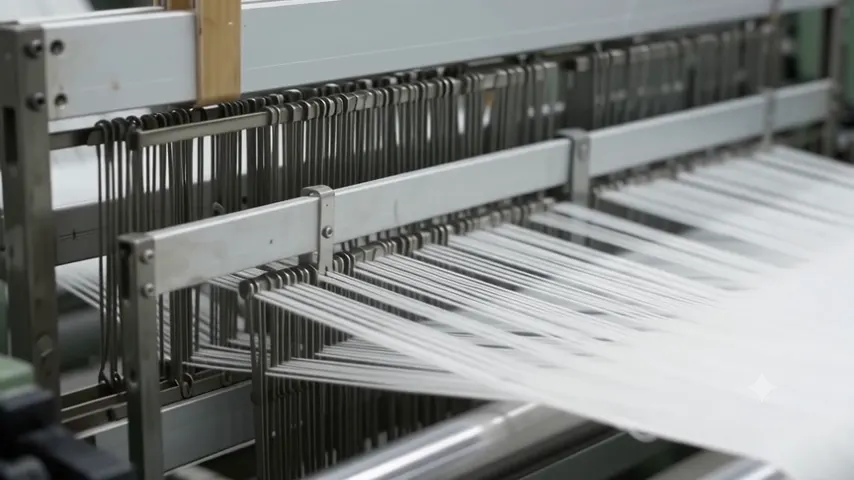
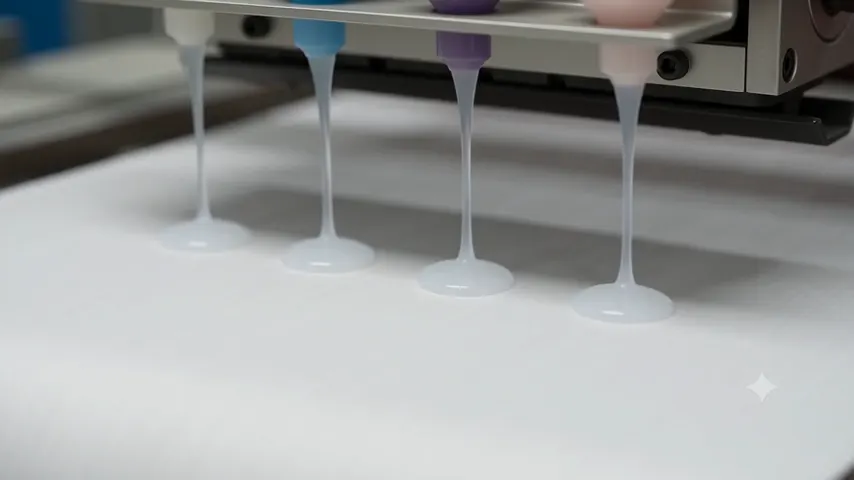
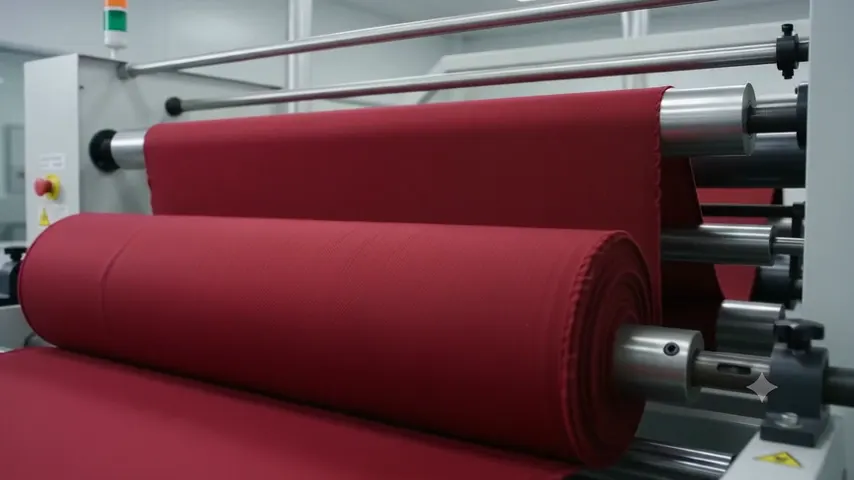
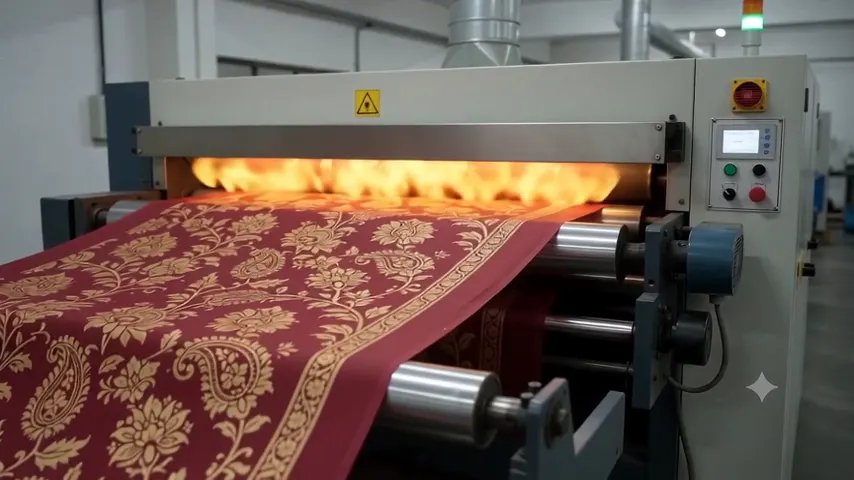
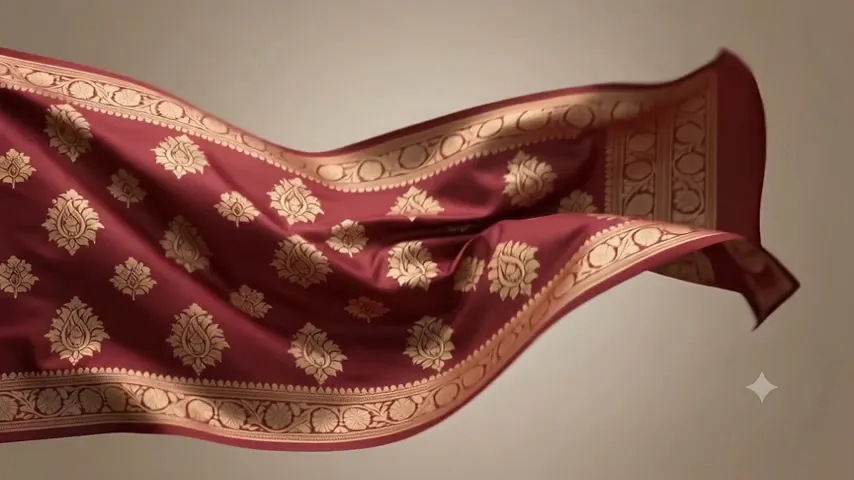
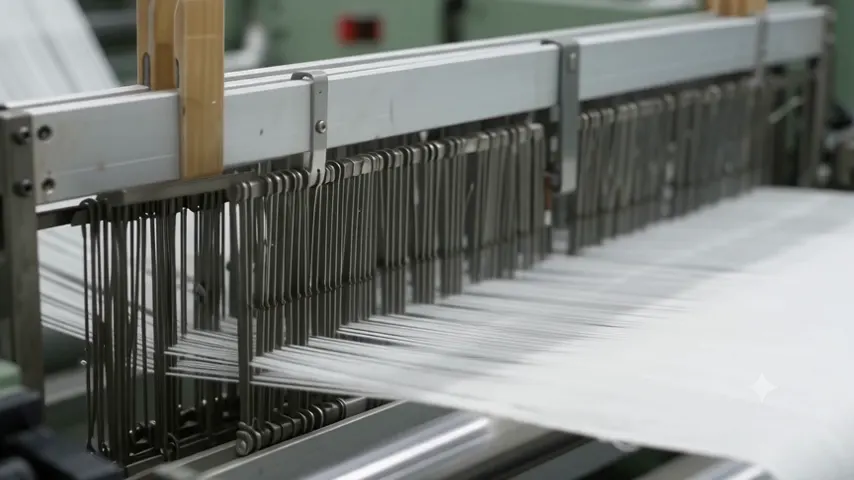
Grey washing & preparation
01 / 10
- Grey washing & preparationStain removers, slurry and raw-cloth washing
- Fabric dyeing unitsLeveling, dispersing and colour-fixing auxiliaries
- Printing unitsPigment paste thickener and fixers
- Textile finishing millsResins, fixers, softeners and stiffeners
- Hand dyeing: viscose & georgetteStain removal and bleaching
- Lycra-containing fabricsWashing before dyeing to remove oil
- Sizing & stiff finishingPVA, resin and liquid stiffeners, incl. Calcutta finish
- Jari, khadi & jutePigment colour fixing; jute yarn coating and sizing
- Laundry washingOil and dirt stain removal
- Chemical procurement & tradeSupply for traders and buyers
Your Processing Challenge Is Our Starting Point.
Tell us about the fabric, the stage and what isn't working. The more context you give, the more useful our first reply will be.
We use your details only to answer this enquiry. Attachments are forwarded to our team and not stored on this website.
Why textile processors choose Neelkanth Varni Impex, in five words.
- Experience.Close to three decades inside textile processing, which teaches what a data sheet can't.
- Understanding.We ask about your fabric, machine and buyer before we talk about product.
- Flexibility.Manufactured or sourced, standard or alternative: whatever fits your process.
- Value.Judged by cost in use and the quality of the finished cloth, not price per kilo.
- Partnership.Customers stay with us for years, and that only lasts if the advice stays honest.
Let's talk about your process.
Request a quotation, ask a technical question or describe a problem on the line. Every enquiry is read by people who know textile processing.
- Awaiting confirmation
- Phone
- Awaiting confirmation
- Business address
- Awaiting confirmation
- Office hours
- Awaiting confirmation